Physical Address
Texas, U.S.A
Physical Address
Texas, U.S.A

Our understanding of aging has grown a lot. Now, scientists agree that aging can be influenced. NAD+ is key in cellular metabolism. It helps enzymes that change aging pathways.
As we learn more about NAD+ and its benefits, its potential grows. It could help us understand aging better and keep cells healthy. Our research explores NAD+’s role in biology.
NAD+ is a key player in how our cells turn nutrients into energy. It’s found in all living cells and is crucial for many important tasks. These include making energy, fixing DNA, and handling stress.
NAD+ helps enzymes do their job in the cell. It’s key for turning the food we eat into energy our cells can use. This is essential for keeping our cells healthy and us feeling good.
NAD+ does more than just help with energy. It also helps fix DNA damage and manage stress in cells. These actions are vital for keeping our cells in balance and preventing harm.
Cellular metabolism is a complex system that turns nutrients into energy and building blocks for our bodies. NAD+ is at the center of this, helping enzymes in key steps like glycolysis and the citric acid cycle. This ensures our cells make energy well.
Also, NAD+ levels drop as we age, which can slow down our metabolism. Boosting NAD+ might help improve our metabolic health and support aging well.
In short, NAD+ is a vital molecule for our cells. Knowing its role helps us understand how to keep our cells healthy. This can be done by managing NAD+ levels or its metabolism.
Aging research has made big strides, showing NAD+ is key for cell health. NAD+ helps with energy and repair in cells. This makes it important for understanding aging.

Studying NAD+ started decades ago, focusing on its role in cell metabolism. Early on, scientists saw NAD+ as vital for energy in cells. Now, we know it’s involved in more than just energy.
Our understanding of NAD+ has grown, showing its role in keeping cells balanced. NAD+ is important for DNA repair and keeping cells stable. This makes NAD+ crucial for staying healthy as we age.
Recent research has made big leaps in NAD+ studies. Using NAD+ boosters is a new area of research. It aims to help cells stay healthy and fight aging.
As NAD+ research keeps growing, we’ll likely find more ways to use it. This could help us age better and feel better overall.
“The discovery of NAD+ and its role in cellular metabolism has been a cornerstone of modern biochemistry, and ongoing research continues to reveal its vast potential in promoting health and longevity.”
Boosting NAD+ levels offers many health benefits. Keeping NAD+ levels in check is key for our health. It affects how our cells work and how they repair themselves.
NAD+ is vital for keeping cells healthy and boosting our overall well-being. Some main benefits of higher NAD+ levels are:
As we age, NAD+ levels drop, leading to age-related diseases. Keeping NAD+ levels up can help fight some aging effects.
Studies have found that:

NAD+ is key for fixing cells, including DNA repair and managing stress.
The perks of NAD+ in cell repair are:
NAD+ precursors are compounds that the body turns into NAD+, offering health benefits. They help keep NAD+ levels up, which can drop with age or health issues.
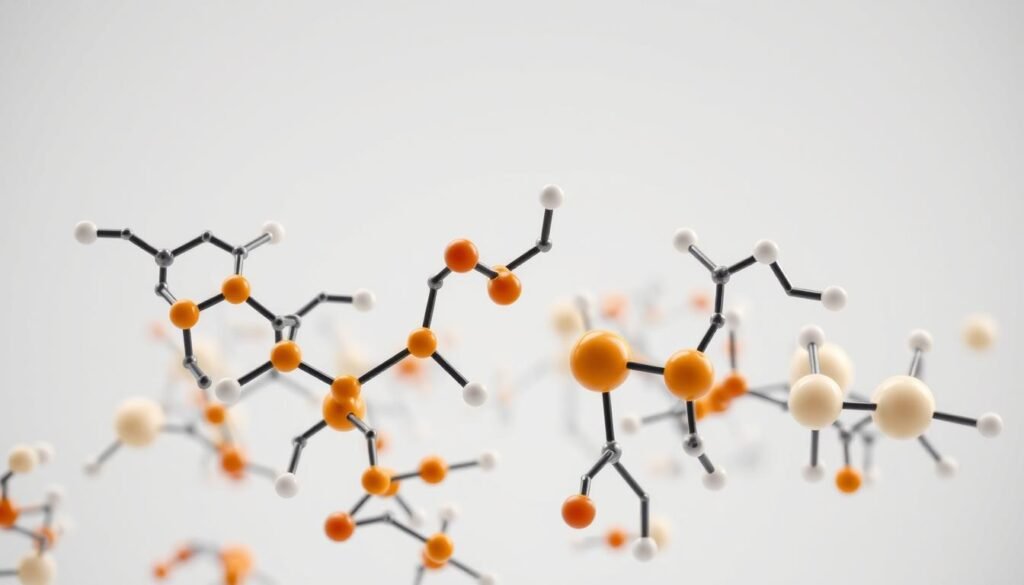
Several NAD+ precursors have been found, including niacin, nicotinamide riboside (NR), and nicotinamide mononucleotide (NMN). Each has its own way to become NAD+.
NADH and NAD+ are two forms of NAD with different roles in cellular metabolism. NAD+ is involved in building up energy, while NADH is mainly for breaking down energy.
The main differences between NADH and NAD+ are their roles and the reactions they are involved in:
| Characteristics | NAD+ | NADH |
|---|---|---|
| Role in Metabolism | Anabolic reactions, energy production | Catabolic reactions, energy transfer |
| Redox State | Oxidized form | Reduced form |
Knowing the differences between NADH and NAD+ is key to understanding their roles in keeping cells healthy and functioning well.
Boosting NAD+ levels through therapy has shown promise in treating chronic diseases. NAD+ therapy uses NAD+ precursors to improve cell health and aid in recovery. This method has gained a lot of attention for its potential in managing health issues.
NAD+ therapy is being studied for treating chronic diseases. Research suggests that increasing NAD+ levels can lessen the impact of some conditions. For example, studies have found that NAD+ supplements can boost heart health by improving mitochondria function and lowering oxidative stress.
The table below summarizes some of the key findings related to NAD+ therapy and chronic disease management.
| Condition | NAD+ Therapy Benefits | Research Findings |
|---|---|---|
| Cardiovascular Disease | Improved mitochondrial function, reduced oxidative stress | Studies show enhanced cardiovascular health with NAD+ supplementation |
| Neurodegenerative Diseases | Neuroprotection, improved neuronal health | NAD+ therapy has shown promise in preclinical models of neurodegenerative diseases |
NAD+ therapy is also being explored for addiction recovery. It’s thought to help lessen withdrawal symptoms and cravings by boosting NAD+ in the brain.
“NAD+ therapy has shown promise in reducing the severity of withdrawal symptoms and improving treatment outcomes in individuals recovering from addiction.”
Research supports the use of NAD+ therapy in addiction recovery. It suggests that increasing NAD+ levels can lead to better health and lower relapse risk for those in treatment.
NAD+ therapy is a promising approach for treating various health issues, including chronic diseases and addiction. As research continues, its use in medicine is expected to grow.
Recent studies show NAD+ is key for exercise and health. Exercise boosts NAD+ production. This makes mitochondria work better, which is vital for energy during workouts.
NAD+ is important for many body processes that affect how well we exercise. Boosting NAD+ can help athletes last longer and recover faster.
Athletic endurance is crucial for exercise success. NAD+ boosts energy production by making mitochondria work better. This lets athletes do more intense workouts for longer.
Research shows NAD+ helps in many ways:
Recovery after exercise is as important as the exercise itself. NAD+ supports recovery by fixing DNA, reducing stress, and helping muscle repair and growth.
| NAD+ Related Process | Impact on Recovery | Effect on Muscle Growth |
|---|---|---|
| DNA Repair | Reduces muscle damage | Supports muscle integrity |
| Oxidative Stress Reduction | Minimizes post-exercise inflammation | Promotes a conducive environment for muscle growth |
| Cellular Pathway Activation | Enhances recovery processes | Stimulates muscle protein synthesis |
NAD+ supplements are popular among athletes. They aim to improve performance and health. While results vary, NAD+ supplements show promise.
The link between NAD+ and mental health is complex. Research shows NAD+ helps control inflammation and supports cell health. This is key for mental health.
Boosting NAD+ levels may reduce stress and anxiety. NAD+ benefits also help with thinking and memory, lowering the risk of losing these skills.
NAD+ affects how we handle stress. Studies show more NAD+ means less anxiety. This is because NAD+ helps manage the HPA axis, a key stress system.
NAD+ health benefits also help fight stress’s bad effects on the mind. NAD+ supports cell health and cuts down oxidative stress. This makes us more resilient to stress.
| NAD+ Effect | Mental Health Impact |
|---|---|
| Regulation of HPA Axis | Reduced Stress and Anxiety |
| Support for Cellular Health | Enhanced Cognitive Function |
| Reduction of Oxidative Stress | Improved Mental Well-being |
NAD+ is vital for keeping our brains sharp. It helps neurons stay healthy and controls genes for thinking.
The NAD+ science behind its brain benefits is about energy in neurons. NAD+ supports mitochondria, which is crucial for brain work.
In summary, NAD+ and mental health are closely linked. Understanding how NAD+ affects stress, anxiety, and thinking opens up new ways to support mental health.
NAD+ supplements, like NR and NMN, are becoming more popular. They aim to boost NAD+ levels and support cell health. As research finds more benefits, people want to use these supplements.
The market now offers many NAD+ supplements. Each has its own benefits and features. It’s important for people to know these differences to choose wisely for their health.
Several NAD+ supplements are popular for their health benefits. These include:
Each supplement has its own benefits and possible drawbacks. For example, NR and NMN can raise NAD+ levels well. But, their long-term effects and best doses are still being studied.
The safety and effectiveness of NAD+ supplements are key for users. These supplements show promise, but it’s important to look at the data. This helps understand their benefits and risks.
| Supplement | Efficacy | Safety Profile |
|---|---|---|
| NR | High efficacy in raising NAD+ levels | Generally considered safe |
| NMN | Shows promise in boosting NAD+ | Limited long-term safety data |
| NAM | Effective as a precursor to NAD+ | Potential side effects at high doses |
As the demand for NAD+ supplements grows, staying updated is crucial. Knowing the benefits and risks helps people make better health choices.
The study of NAD+ is growing fast. New findings are showing how it affects our health and helps prevent diseases. Scientists are working hard to find new ways to use NAD+ for better health.
Research is finding new uses for NAD+. This includes ways to increase NAD+ levels and improve how cells work. These discoveries could lead to new treatments for many diseases, making us healthier.
Many clinical trials are testing NAD+ therapy. They are looking at how safe and effective it is. As these trials finish, we’ll learn more about NAD+ therapy’s benefits and limits. This will help it become more common in medicine.


